

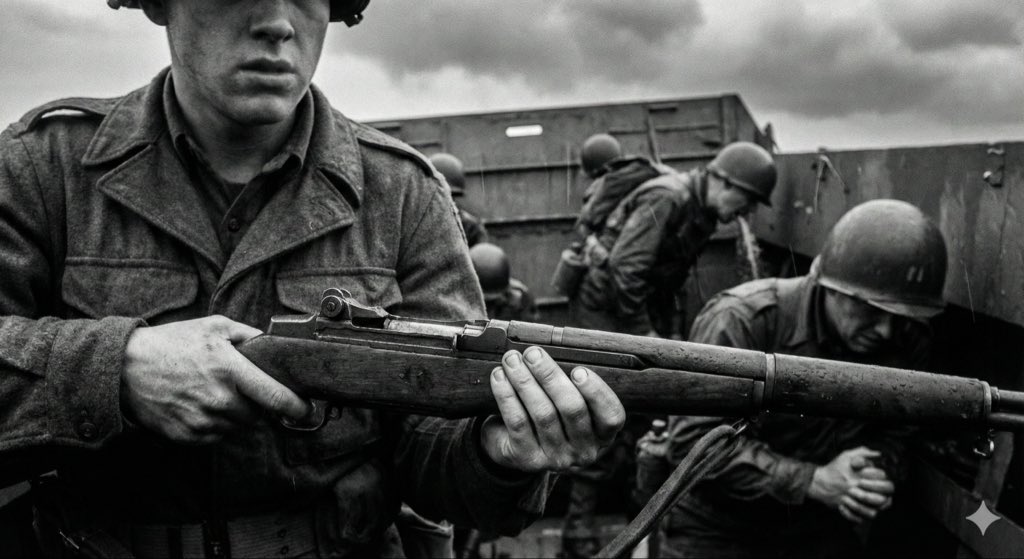
[Instruction: Based on the structured description below, generate an authentic documentary photography image.]

Visual style: mid-20th-century war news photojournalism (1940–1970) – raw and unposed.

1. Core subject (specific micro narrative)
[core scene]

2. Aesthetic characteristics (anti-cinematic approach)
Photography style definition:
This must not look like a carefully lit movie still. It has to look like a raw, even slightly blurry moment, snapped by a war photographer under extreme pressure and danger. The composition should feel accidental, chaotic, slightly off-balance or imperfect. Prioritize absolute authenticity over perfect framing.

Light and atmosphere:
Avoid overly dramatic, theatrical, perfectly staged lighting. Use whatever light is available on site (usually bad): flat and oppressive overcast diffuse light, dim flickering indoor light, or harsh direct flash creating hard, ugly shadows. The atmosphere should feel gritty, dirty, and suffocatingly immersive.

3. Physical texture (film realism)
Physical properties:
Simulate high-speed, coarse-grain black-and-white film that has been push-processed.
* Focus and blur: because of the chaotic, tense environment, the main subject may be slightly out of focus, soft, or shaken. Moving people or objects must show obvious motion blur to reflect the forced use of slow shutter speeds.
* Grain: the whole image is covered with heavy, organic silver halide film grain. Avoid artificial scratches or frame borders added in post; focus on the rough materiality of the film itself.

4. Technical constraints
* Color mode: monochrome black and white.
* Lens language: 35mm wide-angle prime lens (classic reportage perspective including more environmental information).
* Period accuracy: strictly consistent with the 1940s–1970s timeline (clothing, weapons, environmental details).



0 Comments
👥 Co-learning Circle 0
Observe other members' variables & configurations, and click "Study & Retry" to instantly import settings and practice!